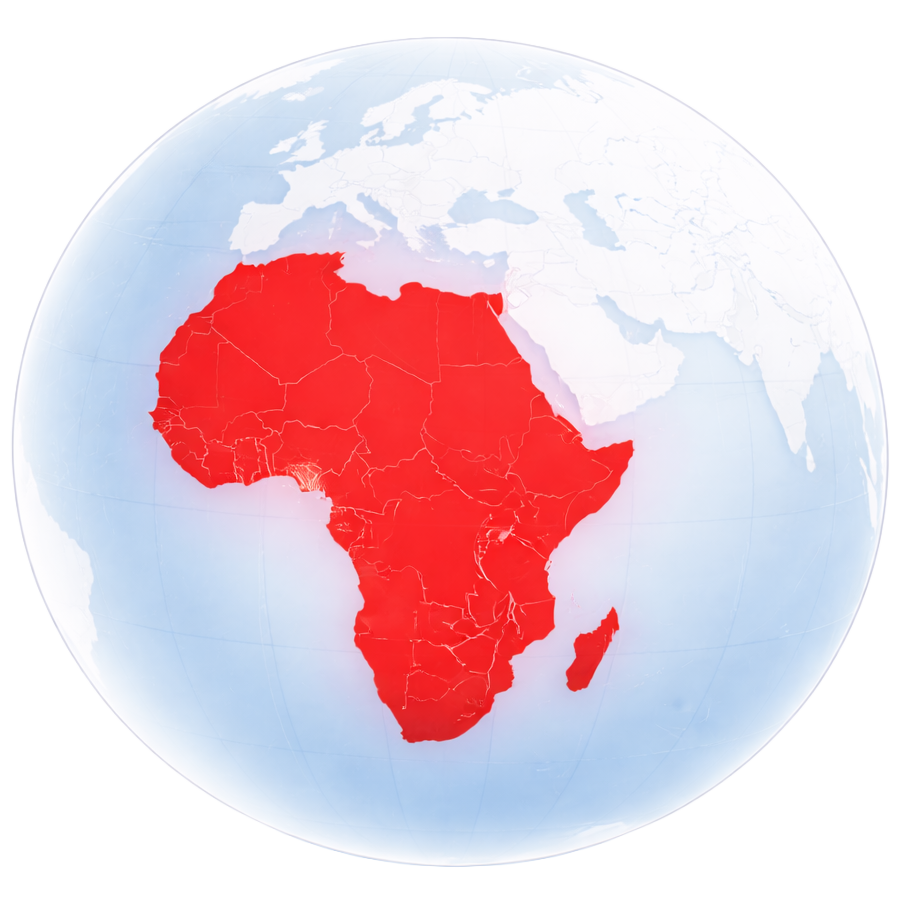
Africa is one of the most exciting and least crowded scuba diving regions in the world. Thanks to coastlines on both the Indian Ocean and the Atlantic, as well as vast inland waters, the continent delivers remarkable variety. From warm-water coral reefs and whale shark encounters to kelp forests, freshwater diving, and adrenaline-filled shark dives, Africa offers something for every type of diver. Moreover, the opportunity to combine diving with safaris, pristine beaches, and rich cultural experiences makes Africa a truly distinctive dive destination..
Scuba diving in Africa stands out for several key reasons. First and foremost, the marine life is exceptional, particularly for divers interested in large animals. In addition, many reefs remain lightly dived or well protected, which helps maintain their health and biodiversity. Finally, the sheer range of environments ensures that both beginners and experienced divers can find suitable sites.
Key reasons to dive in Africa include:
South Africa offers one of the most diverse diving experiences anywhere in the world. Along the warm Indian Ocean coast, Sodwana Bay in iSimangaliso Wetland Park features the world’s southernmost coral reefs. As a result, the area caters well to everyone from beginners to advanced divers. Further south, Aliwal Shoal is widely known for its shark encounters, including bull sharks, tiger sharks, and hammerheads.
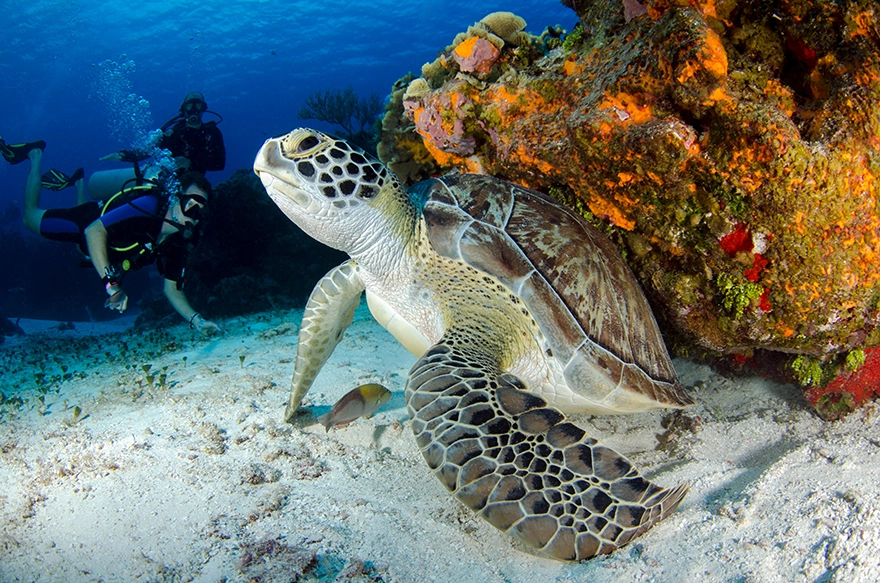
By contrast, the Atlantic side of the country delivers a completely different experience. Here, kelp forests, seal colonies, and shark cage diving near Gansbaai and False Bay dominate the scene. Additionally, the annual Sardine Run between May and July ranks among the ocean’s most dramatic wildlife events, attracting predators from every direction.
What makes South Africa special:
Best for: experienced divers, big-animal lovers, adventure seekers
Water temperature: 12–28 °C (region dependent)
Mozambique is widely regarded as a top-tier destination for pelagic encounters. In particular, Tofo Beach is known as “whale shark alley,” offering year-round sightings of whale sharks and manta rays. Furthermore, humpback whales are commonly seen between May and October. Moving further north, the Bazaruto Archipelago provides shallow reefs, sheltered lagoons, and excellent snorkeling, especially at Two-Mile Reef.
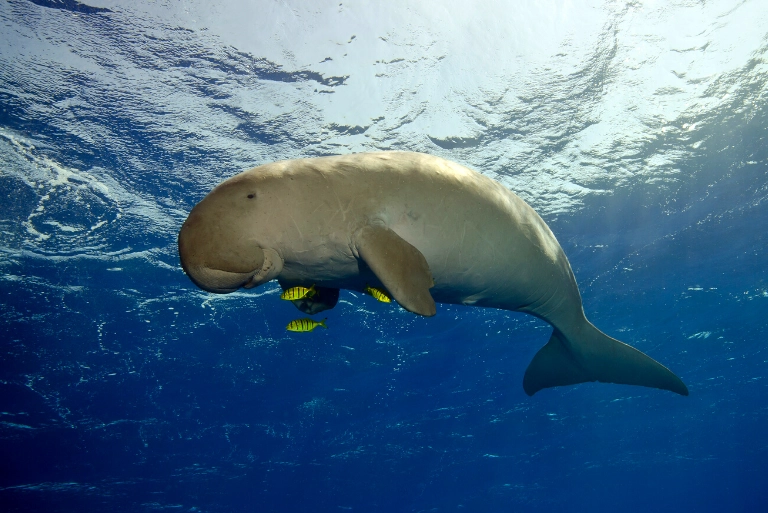
Meanwhile, the remote Quirimbas Archipelago offers a more exploratory experience. Here, dramatic underwater topography combines with healthy coral reefs and minimal diver pressure, making it ideal for those seeking quieter dive sites.
What makes Mozambique special:
Best for: all levels depending on area, pelagic enthusiasts
Water temperature: 23–29 °C
🇸🇨 Seychelles – Clear Water & Island Reefs
The Seychelles archipelago is known for its warm, clear water and easy access to reefs directly from the beach. As a result, shallow sites are perfect for snorkeling and beginner diving. At the same time, deeper reefs host rays, reef sharks, turtles, and a wide variety of fish species.
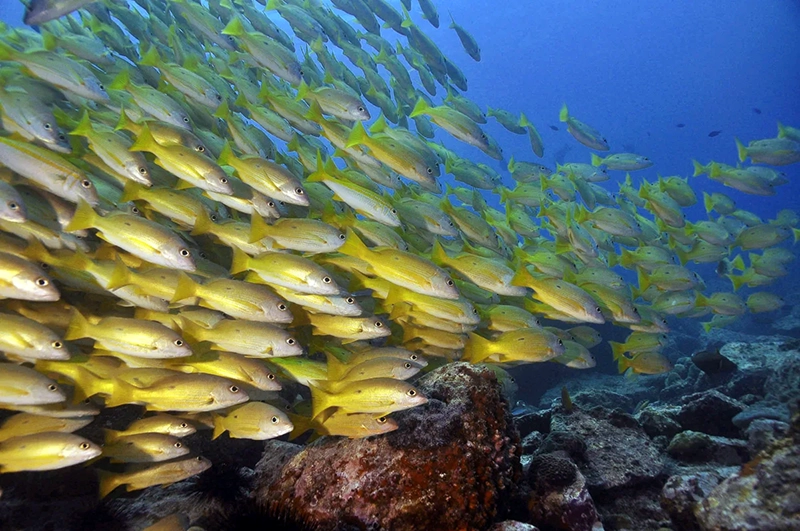
In particular, Sainte Anne Marine National Park near Mahé stands out for its rich coral life. Meanwhile, Aldabra Atoll is famous for its dugong population, offering a rare and memorable marine encounter.
What makes the Seychelles special:
Best for: beginners, relaxed tropical diving, photographers
Water temperature: 26–30 °C
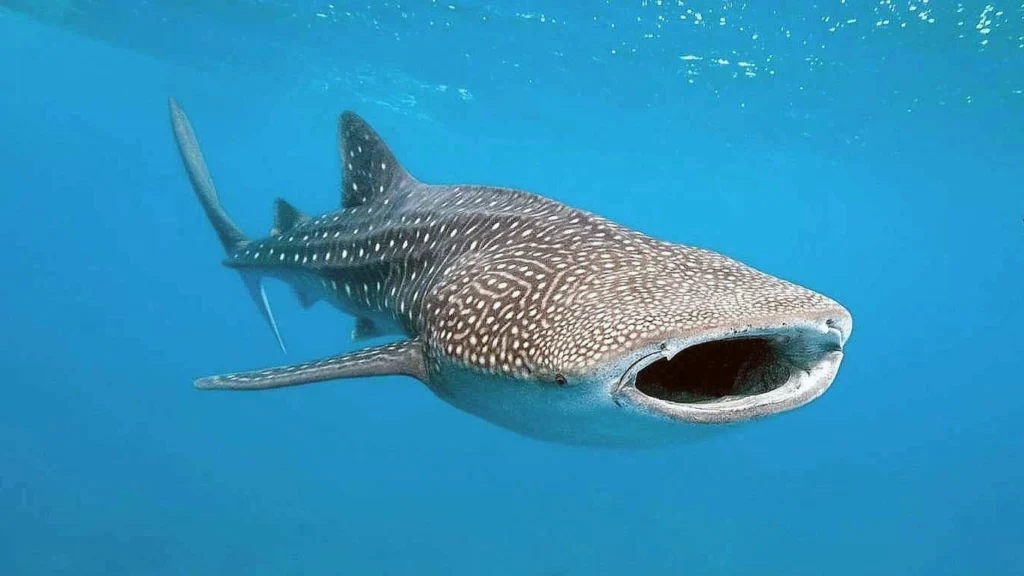
Tanzania’s islands offer some of East Africa’s most rewarding diving. Zanzibar and Mnemba Atoll feature coral walls and gentle reefs, making them suitable for a wide range of divers. In contrast, Pemba Island is known for stronger currents and more advanced drift diving. Further south, Mafia Island sits within a protected marine park and becomes a hotspot for whale sharks between October and March.
What makes Tanzania special:
Best for: all levels, drift-diving fans
Water temperature: 25–29 °C
Kenya’s coastline offers easy and rewarding diving and snorkeling. Diani Beach provides access to Mombasa Marine National Park, where coral gardens, reef walls, and caves dominate the underwater landscape. Similarly, Watamu and Malindi Marine Parks are known for shallow reefs packed with fish, turtles, and moray eels.
In addition, from mid-October to March, whale sharks migrate along the coast, adding seasonal excitement to the diving.
What makes Kenya special:
Best for: beginners, snorkelers, relaxed reef diving
Water temperature: 25–29 °C
Madagascar’s reefs benefit from long-term isolation, which has helped preserve exceptional biodiversity. In the northwest, Nosy Be offers excellent coral diving with turtles, sharks, and whale sharks during October and November. Meanwhile, the southwest regions of Toliara, Anakao, and Ifaty feature reefs, seagrass beds, and regular reef shark sightings.
What makes Madagascar special:
Best for: experienced divers, explorers
Water temperature: 25–28 °C
Lake Malawi is one of Africa’s most surprising dive destinations. Its crystal-clear freshwater supports hundreds of endemic cichlid species, creating a colourful underwater scene unlike ocean diving. Additionally, rocky reefs, calm conditions, and even a shipwreck make it ideal for relaxed exploration.
What makes Malawi special:
Best for: beginners, photographers, freshwater enthusiasts
Water temperature: 22–28 °C
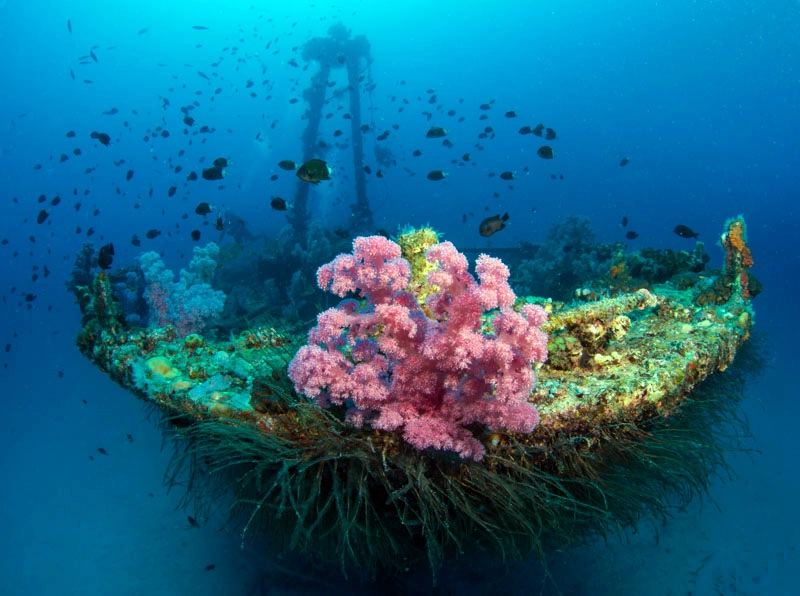
Mauritius is almost entirely surrounded by coral reefs, which create calm lagoon conditions. Consequently, lagoon dives are shallow and beginner-friendly. However, offshore sites still offer variety, including shark encounters and interesting macro life.
What makes Mauritius special:
Best for: beginners, relaxed recreational diving
Water temperature: 23–28 °C
Overall, scuba diving in Africa is about scale, wildlife, and a strong sense of exploration. Few regions combine healthy reefs, big-animal encounters, and lightly dived sites so effectively. In a single trip, you might drift over coral gardens, hear humpback whales underwater, swim with whale sharks, or explore kelp forests and freshwater lakes. When paired with iconic safaris and cultural experiences, Africa truly stands apart as a diving destination with depth and character.
Not found exactly what you’re looking to dive? Explore all scuba diving destinations across Africa and discover new coastlines, islands, and underwater worlds still waiting to be explored.
