Oceania is one of the most diverse scuba diving regions on the planet. Stretching across the Pacific, it combines tropical coral reefs, temperate kelp forests, remote atolls, and some of the world’s healthiest marine ecosystems. As a result, divers encounter everything from gentle lagoon dives to current-swept walls and deep wrecks.
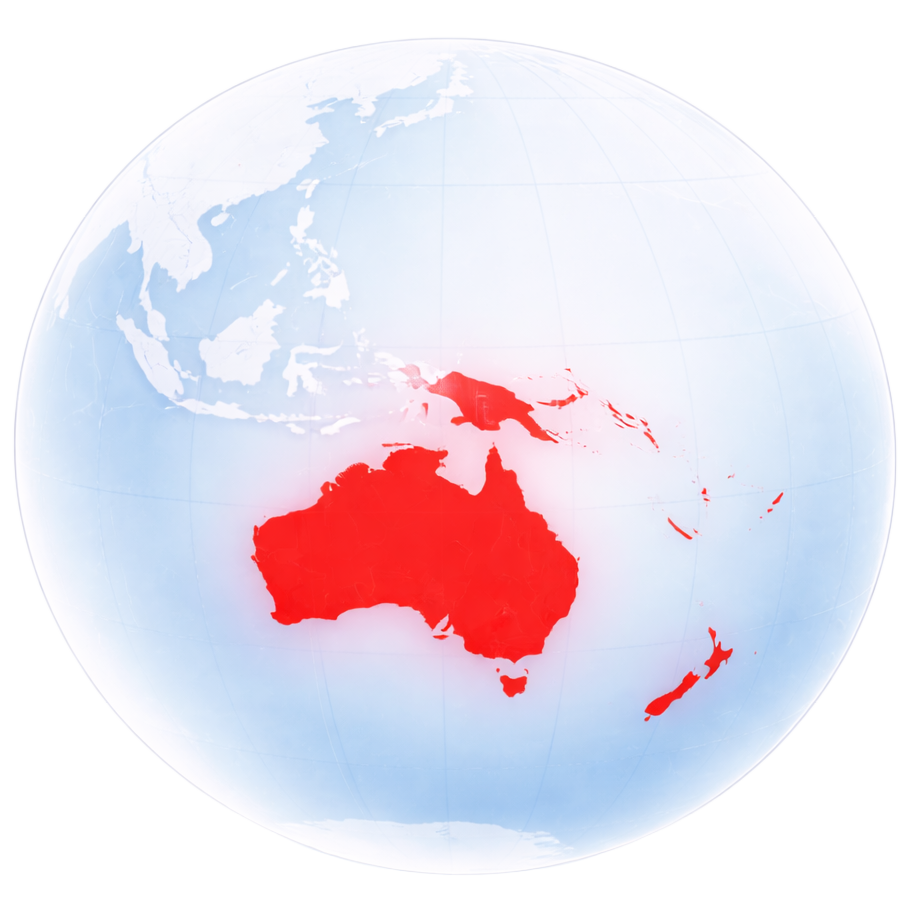
Moreover, Oceania suits a wide range of experience levels. Beginners benefit from calm conditions and excellent infrastructure in places like Australia, while experienced divers are drawn to remote regions offering pristine reefs and advanced diving challenges. Overall, the region rewards both first-time visitors and seasoned explorers.
Oceania stands apart due to its scale and variety. In addition, many areas remain lightly dived, which keeps reefs vibrant and marine life abundant.
Australia is best known for the Great Barrier Reef, the largest coral reef system on Earth. Here, divers experience extensive coral gardens, reef fish in huge numbers, and well-managed marine parks. Additionally, visibility is often excellent, especially on outer reefs.
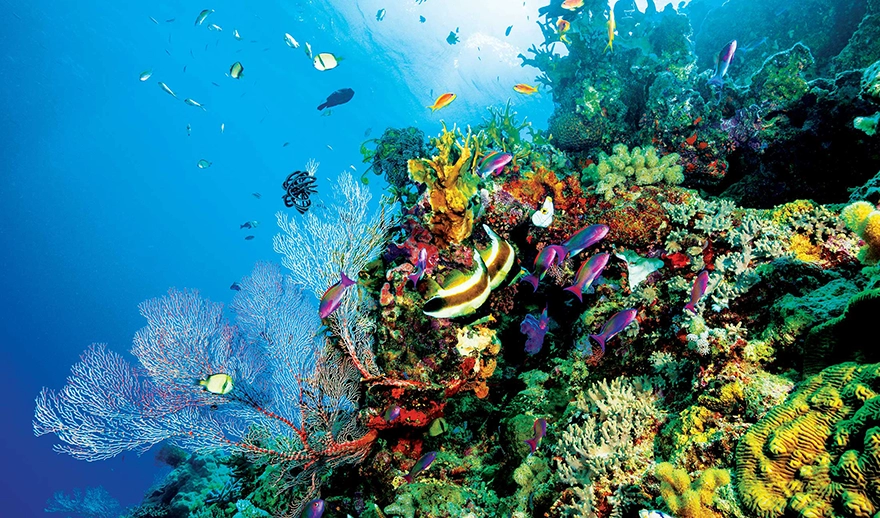
Beyond the tropics, southern Australia offers a completely different style of diving. Temperate waters support kelp forests, leafy seadragons, and unique endemic species. Consequently, Australia appeals to divers who enjoy variety within a single country.
What makes Australia special:
Best for: All levels, reef lovers, underwater photographers, training and certification dives
Water temperature: 18–29°C depending on region and season
Papua New Guinea offers some of the most pristine diving in the Pacific. Because of its isolation and low diver numbers, reefs are remarkably healthy and densely populated. Soft corals, large schools of fish, and macro life thrive across steep drop-offs and shallow reefs.
In addition, Papua New Guinea is famous for its historical wreck diving. Many sites feature well-preserved World War II aircraft and ships, often resting among coral growth. Therefore, dives here often blend natural beauty with history.
What makes Papua New Guinea special:
Best for: Experienced divers, photographers, wreck enthusiasts, remote adventure seekers
Water temperature: 26–30°C year-round
Palau is often considered one of the world’s premier big-animal destinations. Its reefs sit at the meeting point of major currents, which bring nutrients and attract sharks, manta rays, and schooling fish. As a result, dives are frequently action-packed and dynamic.
However, Palau is not just about adrenaline. Sheltered lagoons and coral gardens offer calmer dives, while jellyfish-filled lakes provide a unique snorkelling experience. Consequently, Palau delivers variety within a compact area.
What makes Palau special:
Best for: Intermediate to advanced divers, big-animal enthusiasts, drift diving fans
Water temperature: 27–29°C year-round
New Zealand offers a completely different underwater environment compared to tropical Oceania. Cooler waters support kelp forests, sponge gardens, and species rarely seen elsewhere. Visibility can be excellent, particularly around offshore islands and marine reserves.
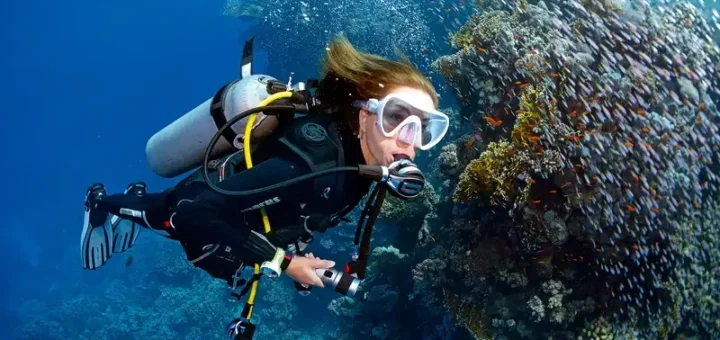
Additionally, the country’s volcanic origins create rugged underwater landscapes with caves, arches, and steep walls. While conditions can be cooler and more variable, the rewards are substantial for divers seeking something different.
What makes New Zealand special:
Best for: Intermediate divers, cold-water enthusiasts, experienced photographers
Water temperature: 12–20°C depending on season and location
Fiji is often referred to as the “soft coral capital of the world.” Thanks to nutrient-rich currents, reefs are covered in colourful soft corals, creating vibrant underwater scenery. At the same time, conditions are generally calm and forgiving.
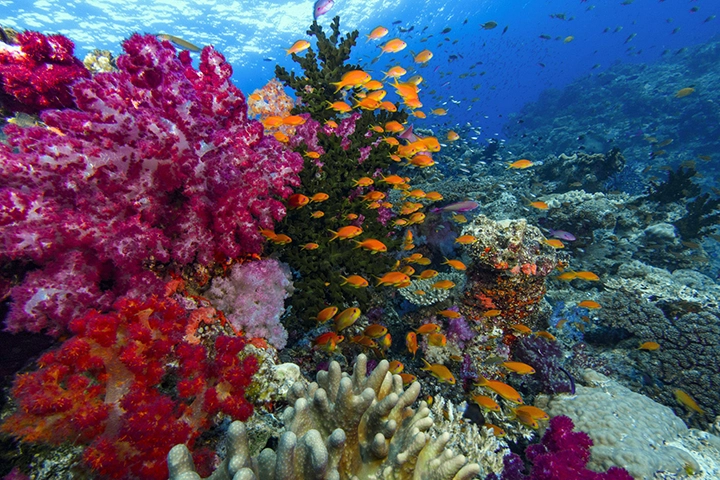
Because of this, Fiji works well for divers of mixed experience levels. Beginners enjoy sheltered reef dives, while more advanced divers can explore channels and drift dives with larger marine life.
What makes Fiji special:
Best for: Beginners, relaxed reef diving, underwater photography
Water temperature: 25–29°C year-round
Micronesia is world-famous for its wreck diving, particularly the extensive remains of World War II fleets. Many wrecks are large, intact, and easily accessible, often sitting upright on the seabed. Over time, these sites have become artificial reefs full of life.
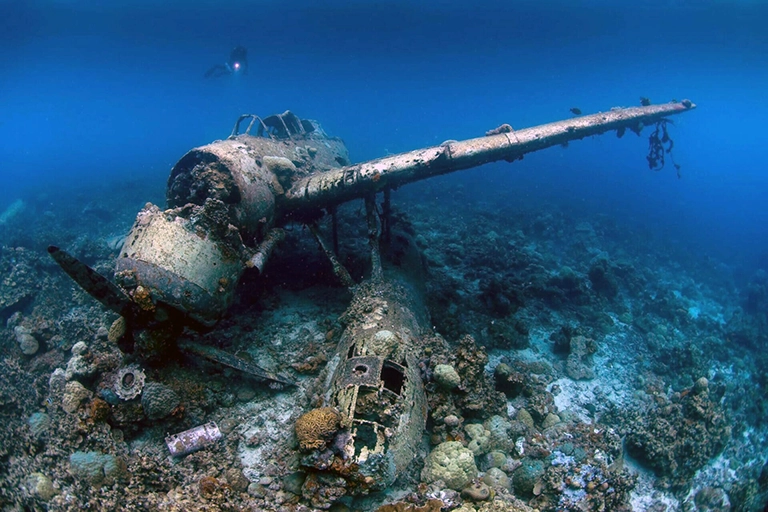
In addition to wrecks, Micronesia offers clear water, healthy reefs, and schooling pelagics. Therefore, it appeals to divers who want history alongside natural beauty.
What makes Micronesia special:
Best for: Advanced divers, wreck specialists, technical diving
Water temperature: 26–29°C year-round
Oceania stands out because it offers almost every type of diving experience available. From warm-water coral reefs to cool kelp forests, and from beginner-friendly lagoons to advanced drift and wreck dives, the region covers an unmatched range.
Ultimately, Oceania suits divers who value diversity and authenticity. Whether you prefer easy reef dives, historical exploration, or challenging open-ocean conditions, this region consistently delivers memorable underwater experiences.
Not found exactly what you’re looking to dive? Explore all scuba diving destinations across Oceania and discover new regions, dive sites, and underwater experiences waiting to be explored.
