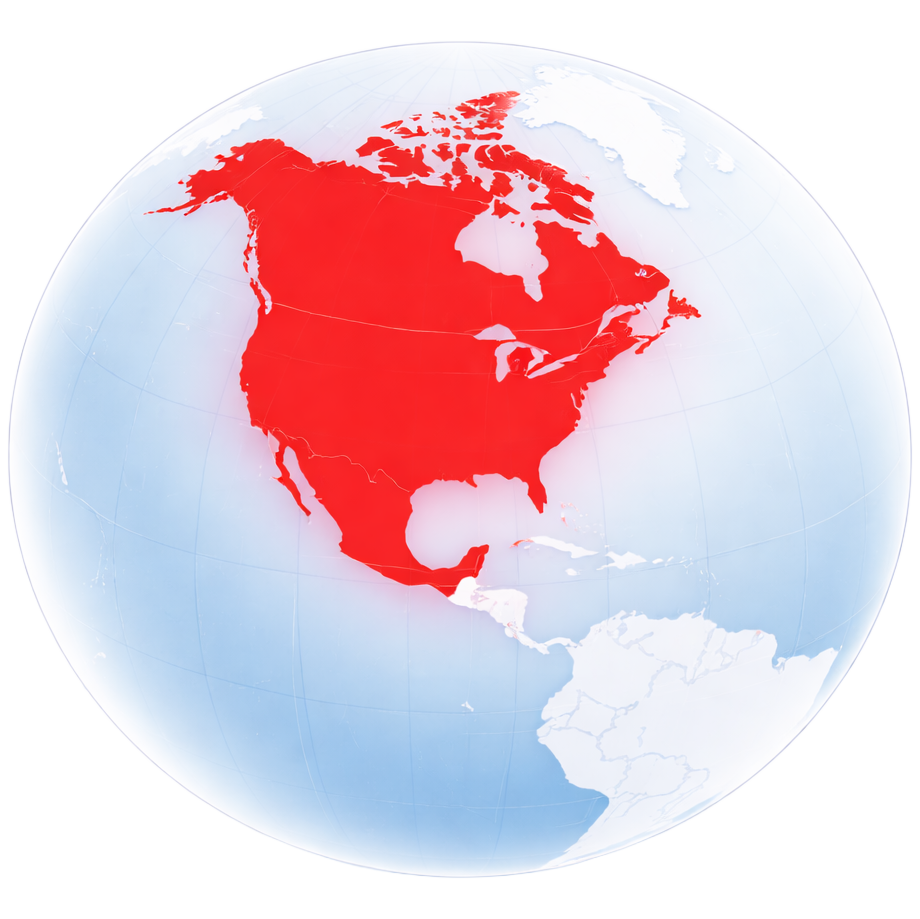
Scuba diving in North America covers an unusually wide range of underwater environments. On one hand, you have warm-water coral reefs, clear visibility, and relaxed conditions. On the other, there are kelp forests, cold-water ecosystems, historic wrecks, and encounters with large pelagic species. Because of this diversity, the region suits almost every type of diver.
While beginners can enjoy calm reef dives and easy shore access, experienced divers will also find strong currents, deep walls, and technical opportunities. Additionally, most destinations are well developed, which makes travel, training, and dive logistics straightforward. As a result, North America remains one of the most versatile diving regions in the world.
North America offers consistent quality and variety across a wide geographic area. More importantly, many destinations combine excellent diving with reliable infrastructure.
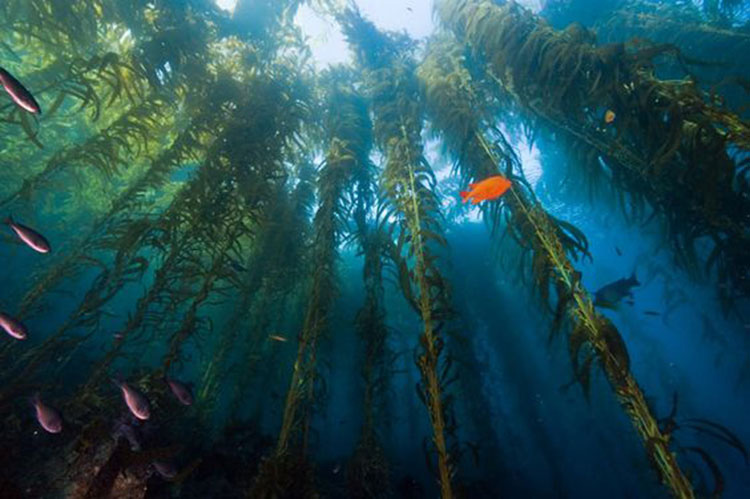
Scuba diving in the United States varies significantly by region. Along the West Coast, California offers cold-water diving dominated by giant kelp forests, rocky reefs, and a surprising amount of marine life. Visibility can vary, yet the underwater scenery is dramatic and unlike tropical reef systems.
Further south, Hawaii delivers warm water, volcanic topography, lava tubes, and large marine species such as manta rays and dolphins. Meanwhile, Florida’s Atlantic coast and the Florida Keys are known for coral reefs, drift diving, and an extensive collection of wrecks. In West Palm Beach, in particular, strong currents attract sharks, turtles, and schooling fish.
What makes the USA special:
Best for: Divers seeking variety, wreck diving, drift diving, kelp forests, and structured training environments
Water temperature: 7–10°C (California) | 23–29°C (Florida & Hawaii)
Mexico is one of North America’s most popular diving countries, largely due to Cozumel’s consistently clear water and effortless drift diving. Strong currents carry divers along steep walls covered in sponges and corals, while turtles, eagle rays, and nurse sharks are common sightings.
In contrast, Guadalupe Island offers a very different experience. Located offshore in the Pacific, it is famous for cage diving with great white sharks. Conditions are more demanding, and trips are expedition-style, yet encounters with large sharks are frequent and dramatic.
What makes Mexico special:
Best for: Reef divers, intermediate to advanced divers, and big-animal enthusiasts
Water temperature: 24–29°C (Cozumel) | 19–22°C (Guadalupe Island)
Belize is best known for its offshore atolls and steep reef walls. The Belize Barrier Reef runs parallel to the coast, offering healthy coral formations and clear visibility. Many dive trips focus on outer reef systems, which tend to be less crowded and more pristine.
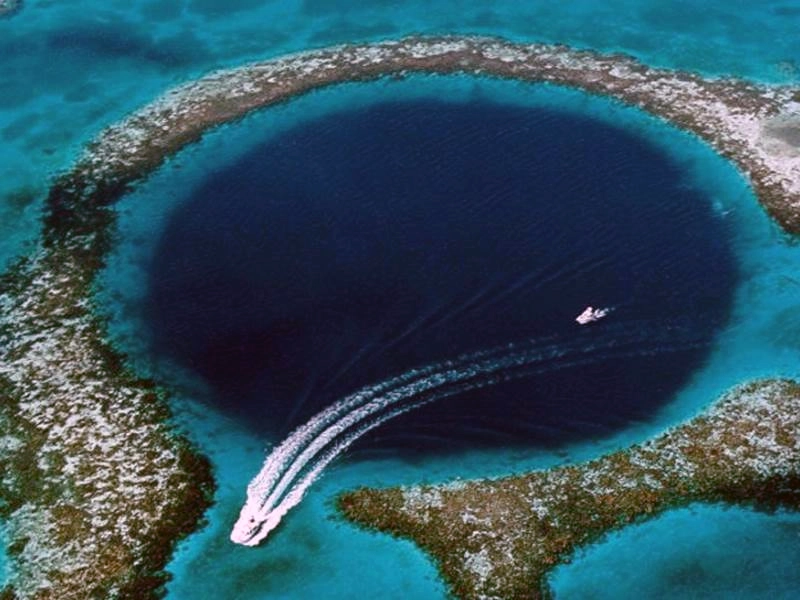
The Great Blue Hole is the most famous site, although many divers find the surrounding reef dives equally rewarding. Overall, Belize offers relaxed Caribbean diving with occasional deeper profiles.
What makes Belize special:
Best for: Reef divers, advanced open water divers, and underwater photographers
Water temperature: 26–29°C
Diving in the Bahamas is defined by clear water, shallow reefs, and frequent shark encounters. Visibility is often excellent, and many dive sites feature sandy bottoms, reef drop-offs, and blue-water surroundings.
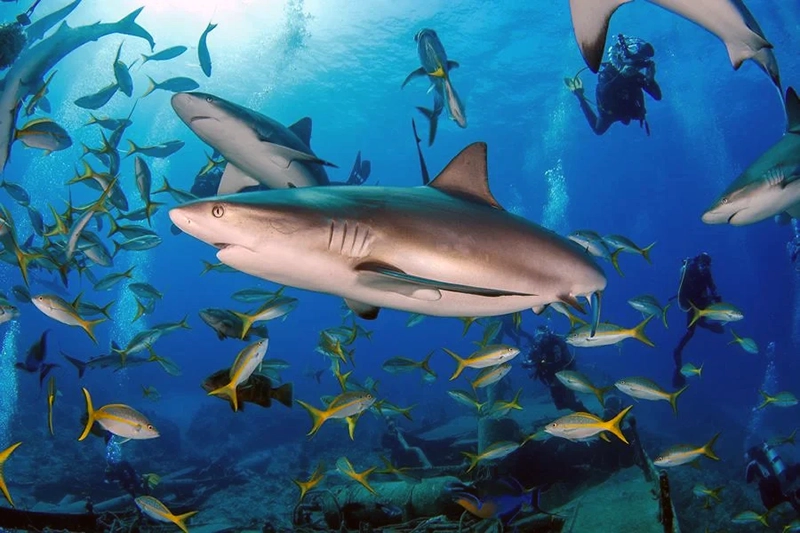
Shark diving is particularly popular, especially with reef and Caribbean sharks. At the same time, there are plenty of easy dives suitable for beginners, making the Bahamas a balanced destination.
What makes the Bahamas special:
Best for: Beginners, shark enthusiasts, and recreational divers
Water temperature: 24–28°C
Cuba’s diving is notable for its relatively untouched reefs and low fishing pressure. As a result, marine life is often abundant, with healthy coral structures and large schools of fish. Many dive areas are located within marine reserves.
Wreck diving is also common, reflecting the island’s long maritime history. While infrastructure is improving, diving in Cuba still feels less commercial than in other Caribbean destinations.
What makes Cuba special:
Best for: Experienced divers, reef explorers, and divers seeking quieter locations
Water temperature: 25–29°C
Canada offers cold-water diving that is rich in life and structure. On the Pacific coast, especially in British Columbia, divers encounter dense kelp forests, colourful invertebrates, and large marine species such as sea lions.
Although water temperatures are low, visibility can be excellent, and the biodiversity is impressive. Dry suits are standard, and diving here appeals to those comfortable with more technical conditions.
What makes Canada special:
Best for: Advanced divers, dry suit divers, and cold-water specialists
Water temperature: 6–10°C
Roatan, located in the Bay Islands, sits along the Mesoamerican Barrier Reef. The diving here is easy and scenic, with sloping walls, swim-throughs, and healthy coral formations. Conditions are generally calm, and visibility is good throughout the year.
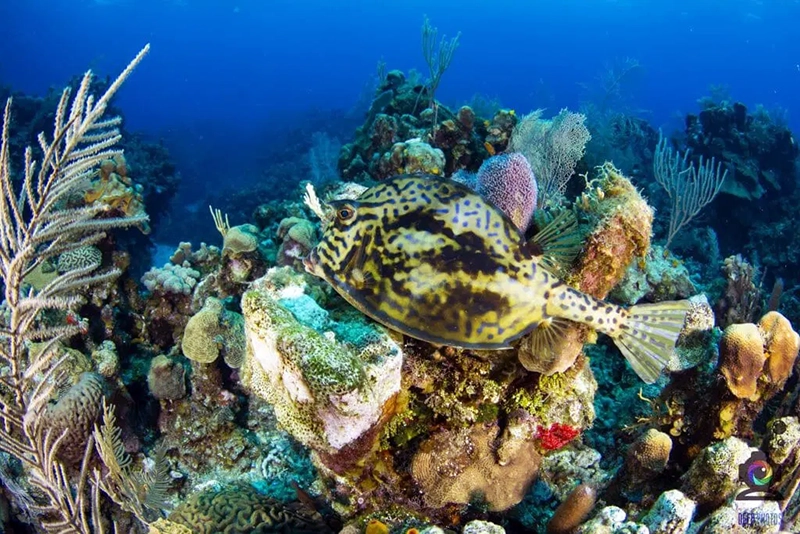
Because of its affordability and relaxed pace, Roatan attracts both new divers and experienced travelers looking for uncomplicated reef diving.
What makes Roatan special:
Best for: Beginners, reef divers, and budget-conscious travelers
Water temperature: 26–29°C
Scuba diving in North America stands out because of its range. Few regions offer such a mix of tropical reefs, cold-water ecosystems, wrecks, and big-animal encounters within relatively short travel distances. As a result, divers can return repeatedly and still experience something new.
Whether you are just starting out or looking to expand your experience into more demanding environments, North America provides reliable diving with consistent quality. The combination of accessibility, diversity, and established infrastructure makes it a strong choice for many types of divers.
Not found exactly what you’re looking to dive? Explore all scuba diving destinations across North America and discover new regions, dive sites, and underwater experiences waiting to be explored.
