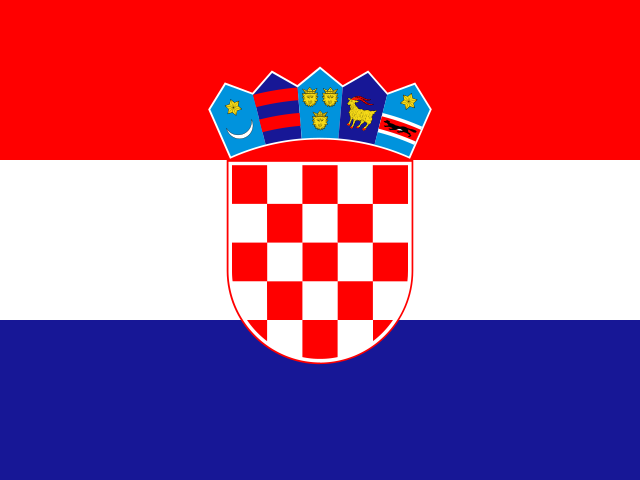
Croatia's Adriatic coastline offers a captivating blend of underwater history, crystalline visibility, and relaxed Mediterranean charm. With over 1,200 islands and islets, the diving here is as varied as it is scenic. From sunken Roman relics to vertical reef walls and plane wrecks from WWII, the underwater landscape tells a story as rich as the country’s surface culture. Croatia is an ideal destination for both recreational divers looking for laid-back dives and experienced explorers seeking depth and mystery—often in waters so clear it feels like floating in air.
The Adriatic Sea is home to a mix of Mediterranean and temperate species. While large pelagics are rare, expect to see groupers, moray eels, seahorses, scorpionfish, octopus, and nudibranchs. The underwater topography—riddled with caves, crevices, and wrecks—attracts a wide variety of macro life. The best time to dive for marine life is from May to October, when water temperatures rise and visibility peaks. Croatia is increasingly investing in marine conservation, with several marine parks and protected zones helping restore fish populations and protect delicate reef systems.
Croatia enjoys a long diving season, typically from April to November. Water temperatures range from 18°C (64°F) in spring to 26°C (79°F) in peak summer. A 5 mm wetsuit is sufficient in most areas, but early and late-season divers may want a 7 mm or semi-dry. Visibility is a highlight, often reaching 20–30 m (66–98 ft), especially around offshore islands. Currents are generally mild, making most sites beginner-friendly, though certain deeper wrecks and offshore walls can present stronger conditions. Tides are minimal in the Adriatic, so dive planning revolves more around wind and surface swell than tidal shifts.
Dive centers are widely available in coastal towns and islands like Rovinj, Split, Hvar, and Dubrovnik. Most offer equipment rental, PADI or CMAS certification courses, and guided boat dives. Safety standards are generally high, with briefings provided in multiple languages and small dive group sizes. Operators often include eco-education as part of the experience, and many are involved in reef cleanups and citizen science initiatives. Boats range from small RIBs for fast coastal access to larger vessels for day trips to remote wrecks and walls.
Major dive hubs such as Dubrovnik, Split, Zadar, and the islands of Hvar and Vis offer a wide range of accommodation—from hostels and private apartments to high-end waterfront resorts. Many dive centers partner with local guesthouses or offer dive-and-stay packages. Staying on an island gives easier access to top sites and avoids long surface travel. Budget travelers will find affordable options in most towns, especially outside of July and August, while those looking for luxury can find boutique villas and beachside hotels with direct dive access.
Croatia is well-connected to Europe and beyond, with international airports in Zagreb, Split, Dubrovnik, and Zadar. Ferries and catamarans make it easy to hop between islands. EU and Schengen citizens can enter visa-free, and most others, including UK, US, and Canadian nationals, enjoy 90-day visa-free stays. Local transportation includes reliable bus services, coastal ferries, and private transfers. Renting a car is useful if you're planning to visit multiple dive spots across regions or prefer inland cultural detours.
A week is a good minimum stay to explore multiple sites and allow for surface intervals, especially when diving wrecks or planning deeper dives. Dive packages typically offer discounts for 4+ dives or multiple days. Group diving is common and great for social travelers, but private dive guides can be arranged for more flexibility or specialized interests like photography or tech diving. Be aware that some advanced sites may require proof of deep or wreck certifications and recent logged dives.
Croatia’s charm extends far beyond its coastline. Wander through ancient Roman ruins in Split and Pula, kayak the sea caves of Dubrovnik, or hike through national parks like Plitvice and Krka. Food lovers can indulge in fresh seafood, olive oil tastings, and local wines from the Pelješac Peninsula. Cultural festivals, local markets, and island-hopping adventures make Croatia a rich destination for both underwater and topside travelers.
Hyperbaric chambers are located in Split and Pula, and emergency evacuation services are coordinated via the national coast guard. Most dive centers provide marine charts, GPS coordinates, and safety briefings in English. Many Croatian dive sites fall under protection zones, requiring dive permits which are usually arranged by the dive shop. Divers are expected to follow no-touch policies and adhere to local guidelines regarding anchoring, buoyancy control, and artifact protection.
Dives and courses can be booked directly through dive centers’ websites, through travel agencies, or in person. Many require a deposit of 20–30% for multi-day packages. Cancellations are usually free up to 48 hours prior, but weather conditions may alter schedules. Proof of certification and insurance is required for certified divers, especially for wrecks and deep dives. It’s always best to communicate with your operator beforehand to confirm logistics, language, gear needs, and experience level requirements.