Dec 23, 2025
If you have ever finished a boat dive and wondered why you feel wiped out compared to a shore dive, you are not imagining it. In fact, many divers notice this difference right away. Although both dives can be similar in depth and time, the way you get in and out of the water makes a big impact.
Below is a clear, experience-based breakdown of why boat dives often leave you more tired.
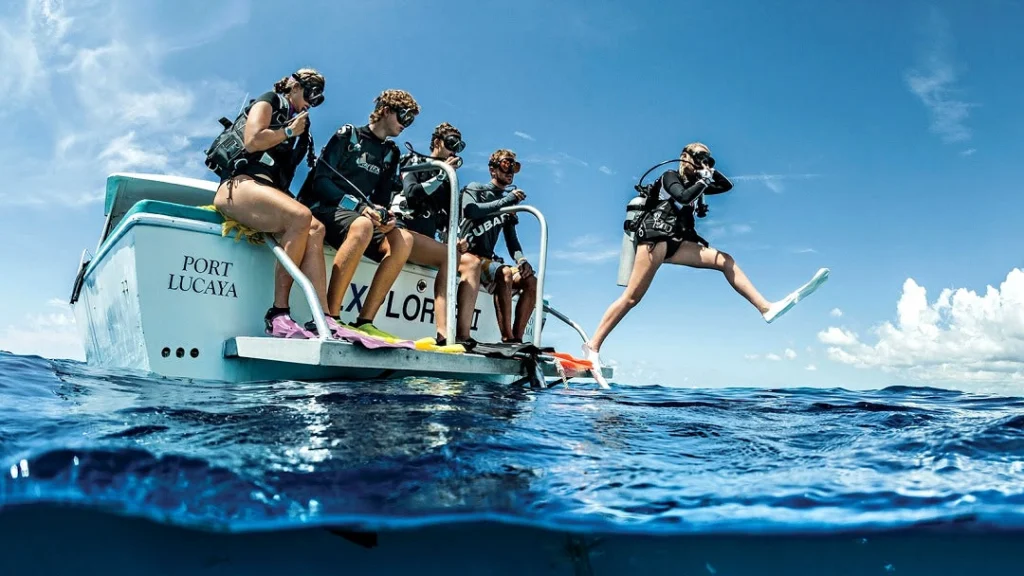
First of all, boat diving usually starts with more physical work. You gear up fully on a moving deck, which already forces your muscles to stabilize your body. Then, you step or roll into the water while managing waves, current, and timing.
By contrast, during a shore dive, you often enter slowly and steadily. Although walking in with gear can be tiring, the effort is spread out and more controlled. As a result, your heart rate stays lower early on.
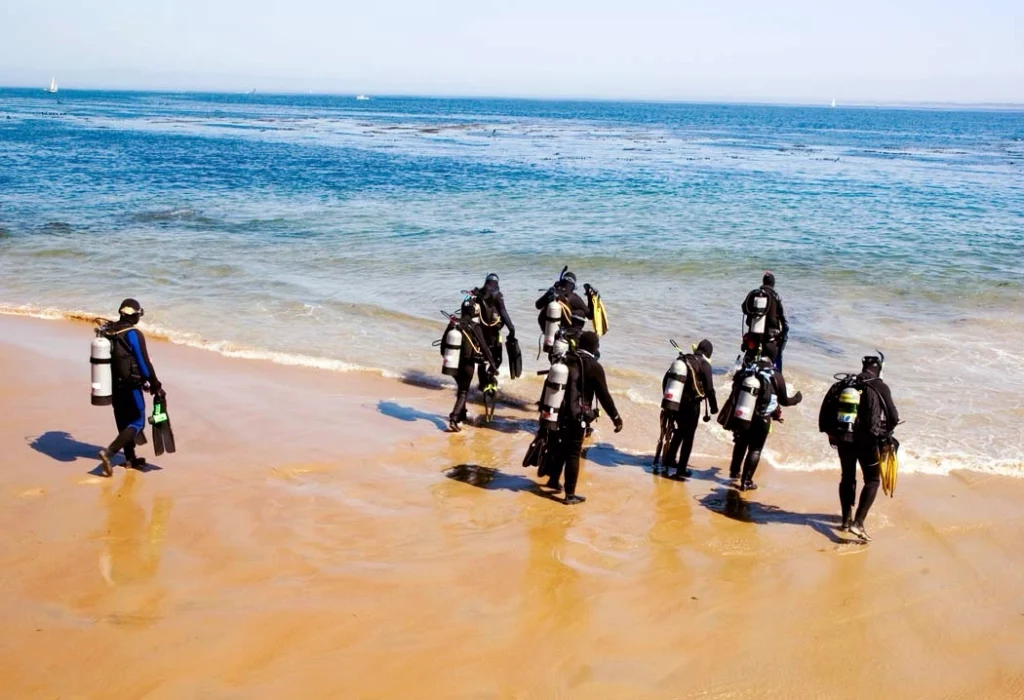
After the dive, the biggest difference appears. On a boat dive, you usually climb a ladder wearing heavy gear. Even if conditions are calm, this move demands strength, balance, and coordination.

Additionally, waves lift and drop the boat, forcing you to brace yourself while climbing. Therefore, your legs and core work harder than you realize. On a shore dive, however, you can rest between waves and walk out at your own pace. This makes recovery easier.
Even if you do not feel seasick, boat motion still taxes your body. Your inner ear and muscles constantly adjust to movement. Over time, this low-level effort adds up.
Meanwhile, shore dives offer stable ground before and after the dive. Consequently, your body conserves more energy, especially on long dive days.
On a boat, dive schedules are fixed. You gear up when told, enter together, and exit when signaled. Because of this, you may rush more than you would like.
In contrast, shore diving gives you control. You can slow down, take breaks, and breathe deeply before entering the water. As a result, stress levels drop and fatigue is reduced.
Boat dives also mean more exposure. Sun, wind, and spray dehydrate you faster. Even on cool days, you lose fluids without noticing.
Shore dives, on the other hand, often allow shade, shelter, and easier access to water and snacks. Therefore, your body stays better fueled.
Finally, consider how often you lift your equipment. On boats, tanks and weights are moved multiple times. Each lift may feel minor, yet together they increase fatigue.
With shore diving, once your gear is on, it usually stays on. This reduces repeated strain.
To sum up, boat dives demand more effort before and after the dive, not just underwater. However, you can reduce fatigue by hydrating well, resting between dives, and removing gear before climbing ladders when allowed.
Ultimately, both dive styles have their place. Knowing why boat dives tire you out simply helps you plan smarter and dive longer.
