Jan 15, 2026
When divers talk about wrecks they often focus on depth or penetration. However, what actually draws us to a wreck is usually more emotional and visual than technical. Different wrecks offer different kinds of attraction, atmosphere, and storytelling. Knowing what to look for helps you slow down, appreciate the site, and get more from the dive without adding risk.
Below is how experienced divers tend to experience shipwrecks and plane wrecks, focusing on what makes each one compelling rather than which is better.
Shipwrecks feel like underwater places rather than objects. They create a sense of scale and presence that few other dive sites can match.
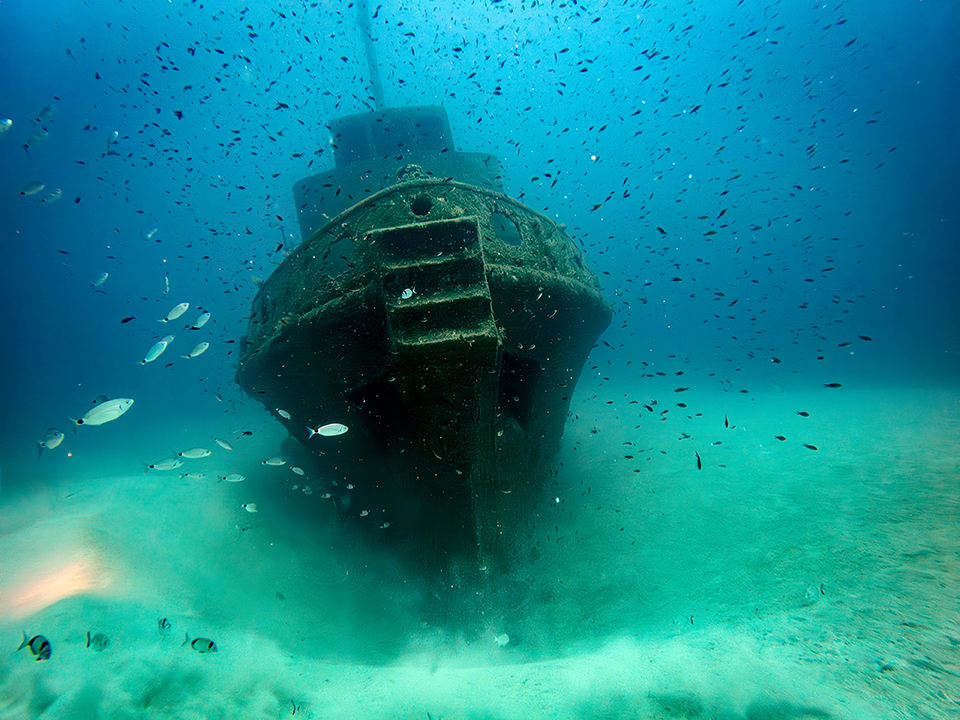
One of the main attractions of a shipwreck is its size. Even without entering the wreck, you can spend an entire dive moving from bow to stern, along railings, past cargo holds, and over deck structures.
This creates a natural exploration flow. You are not just looking at a wreck, you are traveling through it. As a result, dives feel immersive and unhurried, especially on large intact vessels.
Ships often carry clear historical weight. Whether it is a cargo ship, ferry, or warship, the purpose of the vessel is usually obvious once you are on site.
Details to look for include:
For example, wrecks like the USS Oriskany feel monumental. Even divers staying well outside the structure often describe a sense of respect and scale that changes how they move and breathe during the dive.
Over time, shipwrecks become vertical reefs. Therefore, you will often see:
This makes shipwrecks attractive to divers who enjoy wide angle photography and big scene visuals rather than close inspection.
Plane wrecks offer a very different experience. Instead of scale, they appeal through detail, intimacy, and immediacy.
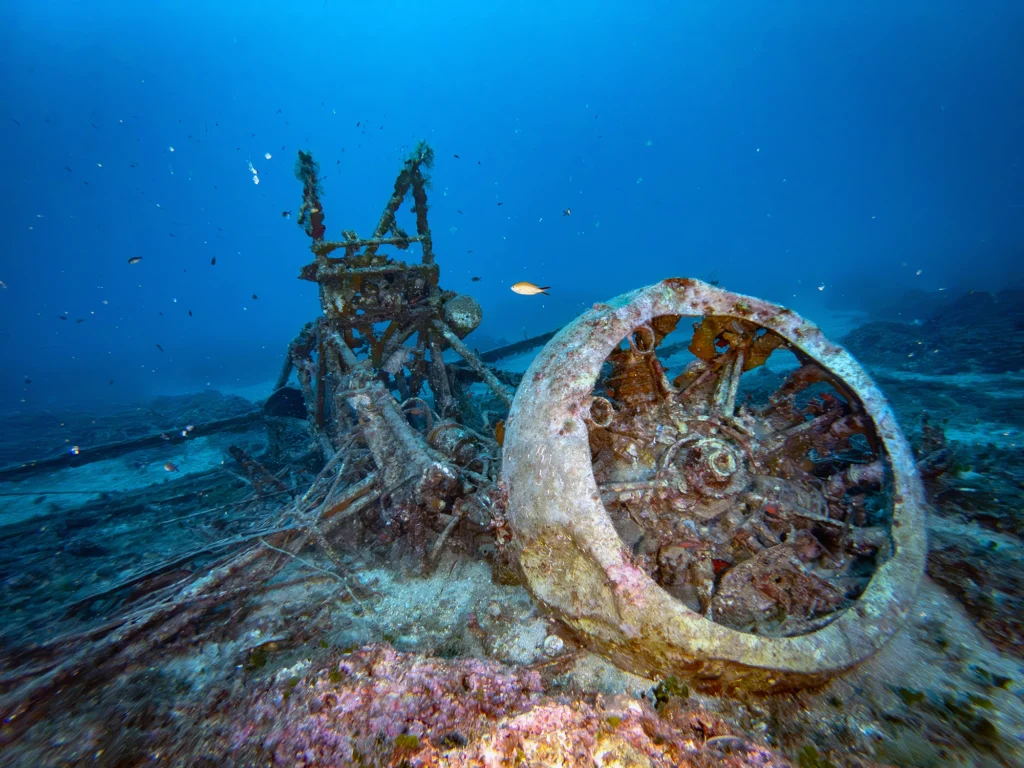
A plane wreck is immediately identifiable. Wings, fuselage, engines, and tail sections are familiar even to non aviation enthusiasts. This recognition creates a strong visual impact the moment the wreck comes into view.
Divers are often drawn to:
Because everything is compact, you can take in the entire wreck without losing orientation.
Plane wrecks reward slow, careful observation. Unlike ships, where you might swim continuously, aircraft wrecks encourage hovering and studying.
Attractive details include:
Many divers find plane wrecks mentally calming. The structure clearly ends. There is less temptation to push deeper, swim farther, or enter enclosed spaces unintentionally.
As a result, attention shifts from navigation to appreciation. This makes aircraft wrecks especially attractive for photographers, newer wreck divers, and those who enjoy precise buoyancy work.
Regardless of whether you are diving a ship or a plane, experienced wreck divers tend to focus on the same qualities.
Is it upright, on its side, or broken apart? The way a wreck rests on the seabed tells a story and affects how light, current, and marine life interact with it.
Look for how sand, coral, and fish have claimed the structure. Wrecks are not static. They are evolving habitats shaped by storms, currents, and time.
Instead of chasing the entire wreck, slow down and notice:
These moments often become the most memorable part of the dive.
Shipwrecks attract divers through scale, movement, and history. Plane wrecks attract through clarity, detail, and intimacy. Neither is about difficulty or status. They simply offer different ways to connect with underwater history.
The most rewarding wreck dives come when you stop trying to see everything and start paying attention to what the wreck is offering on that day. Wrecks do not rush. Divers should not either.
