Dec 30, 2025
Learning to relax your breathing underwater is one of the most important skills in scuba diving. It improves air consumption, buoyancy control, and overall comfort. More importantly, it turns a stressful dive into an enjoyable one.
If you find yourself breathing fast or shallow underwater, you are not alone. Fortunately, this is a skill you can train.
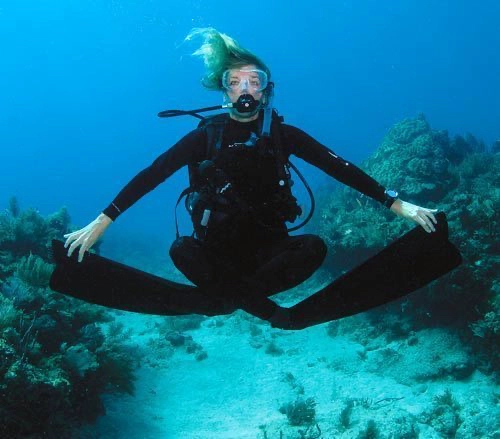
First of all, relaxed breathing starts before you enter the water. If you rush gearing up or feel pressured to enter quickly, your breathing rate will already be high.
Instead, pause for a moment. Take several slow, deep breaths before entry. As a result, your heart rate drops and your body settles. This makes the first minutes underwater far easier.
Underwater, most divers focus too much on inhaling. However, relaxation comes from a slow, complete exhale.
Try this instead: breathe in gently, then breathe out longer than you breathe in. For example, inhale for three seconds and exhale for five. Because carbon dioxide buildup often triggers rapid breathing, clearing it fully helps your body relax.
Next, sync your breathing with your movements. If you kick harder, your breathing will naturally speed up. Therefore, slowing your fin kicks helps control your breath.
Aim for slow, efficient fin strokes. Glide between kicks when possible. As a result, your breathing becomes smoother and more predictable.
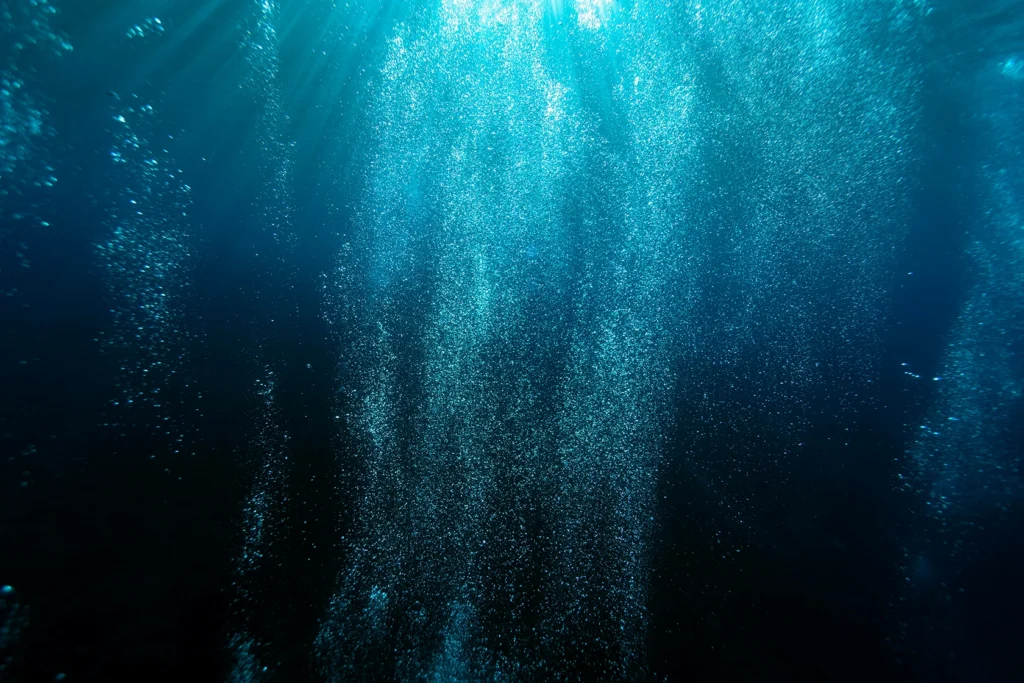
Poor buoyancy forces constant corrections, which increases effort and breathing rate. On the other hand, good buoyancy allows you to hover calmly with minimal movement.
Adjust your weights correctly and use your breath, not your inflator, for small depth changes. Over time, this reduces both physical and mental strain.
Many divers unknowingly tense their shoulders, hands, or jaw. This tension wastes energy and increases air use.
Check in with your body during the dive. Drop your shoulders, loosen your hands, and unclench your teeth. Even small adjustments can noticeably slow your breathing.
If your mind races, your breathing follows. That is why having a mental anchor helps.
You can count your breaths, watch bubbles rise, or focus on the rhythm of your fins. Consequently, your mind stays present and calm instead of drifting toward stress.
Finally, understand that not every dive will feel perfect. Cold water, current, or fatigue can all affect breathing.
Instead of fighting it, acknowledge it and slow everything down. Usually, your breathing will settle within a few minutes.
To sum up, relaxed breathing improves air consumption, buoyancy, and enjoyment. It also increases safety by reducing stress responses.
With practice, calm breathing becomes automatic. When it does, diving feels effortless, quiet, and deeply rewarding.
