Nov 25, 2025
Choosing the right exposure protection is one of those decisions that can quietly make or break a dive trip. Too warm, and you overheat on the surface. Too cold, and even the best dive site becomes uncomfortable fast. As an experienced diver, I’ve seen how the right wetsuit or drysuit turns a challenging environment into an enjoyable one. So let’s walk through how to pick the right suit for your conditions, step by step.
Water pulls heat from your body about 25 times faster than air. Because of that, even water that feels “mild” can chill you quickly. Moreover, cold affects more than comfort. It reduces focus, increases gas consumption, and shortens dives. Therefore, choosing the right exposure protection isn’t optional. It’s part of safe dive planning.
At the same time, more insulation isn’t always better. In warm climates, too much neoprene can cause overheating, dehydration, and fatigue. So, balance is the goal.
First and foremost, focus on water temperature, not how warm it feels on land. Air temperature can be misleading, especially in tropical locations.
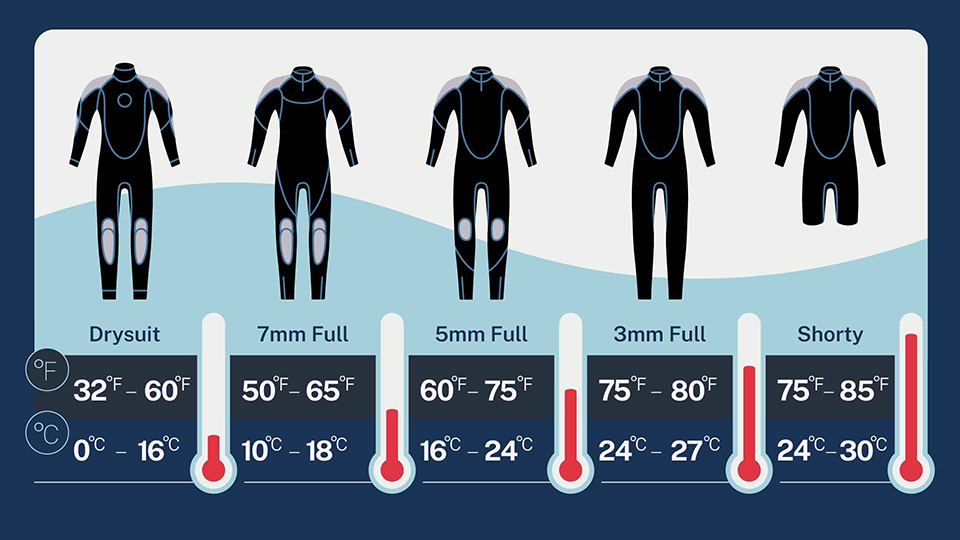
As a rough guideline:
However, this is only the starting point. Next, you need to look at the type of diving you’ll be doing.
Wetsuits work by trapping a thin layer of water against your skin, which your body warms up. Because of this, they’re simple, durable, and widely available.
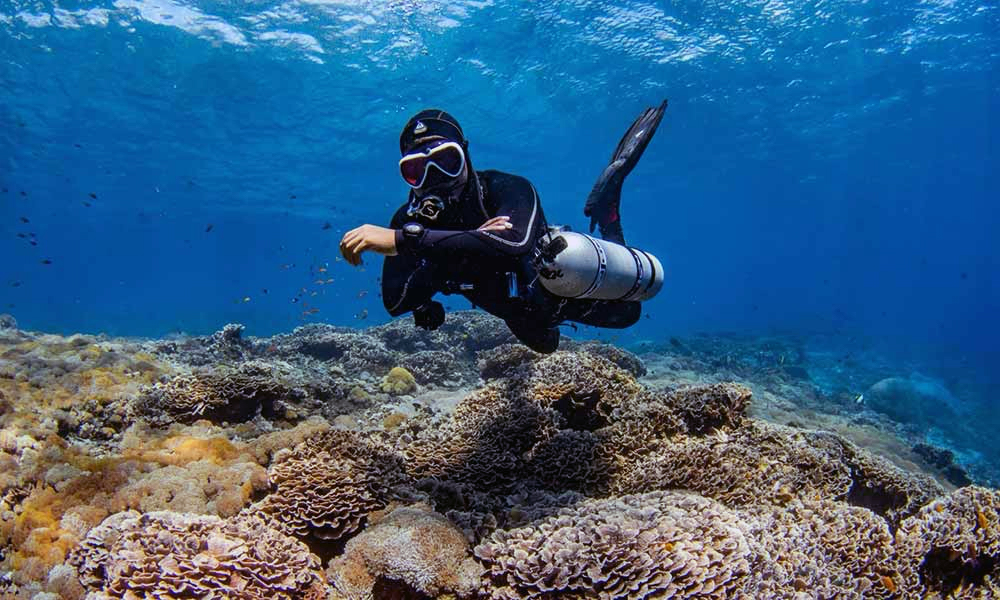
Thickness matters here. A 3 mm wetsuit is comfortable in tropical waters, especially if you’re doing one or two dives per day. On the other hand, a 5 mm wetsuit works better for repetitive dives or slightly cooler conditions. Meanwhile, a 7 mm wetsuit is best reserved for colder water, although it becomes bulky and heavy.
Additionally, accessories matter. Adding a hood can feel like upgrading half a wetsuit thickness. Gloves and booties also reduce heat loss and increase comfort.
Unlike wetsuits, drysuits keep you completely dry. Instead of neoprene insulation, warmth comes from the air layer and the undergarments you wear underneath. As a result, drysuits offer far more flexibility in cold environments.
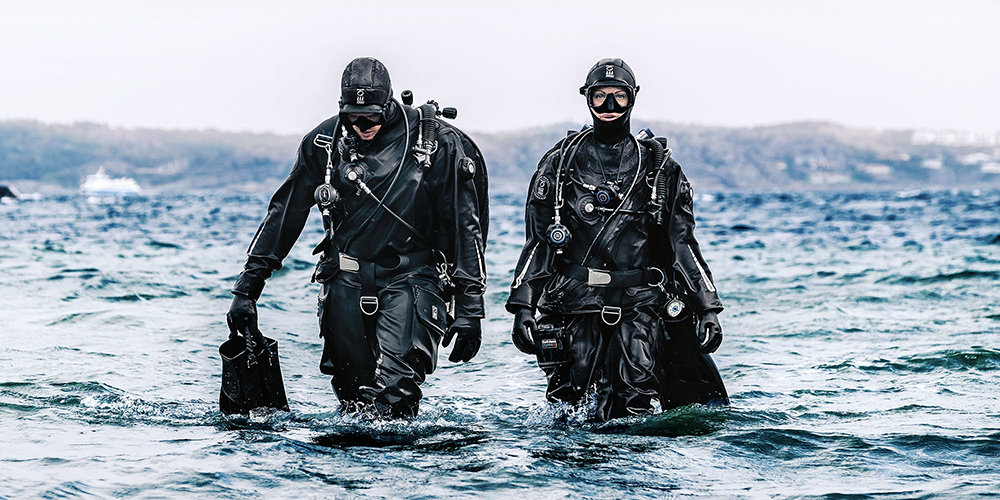
Furthermore, drysuits allow you to adjust insulation by changing undergarments. That means the same suit can work in 4°C (39°F) water or 14°C (57°F) water with the right layering.
That said, drysuits require training. Buoyancy control is different, and proper weighting takes practice. Still, once mastered, many divers never go back to thick wetsuits for cold water.
Temperature alone isn’t enough. Equally important is how often and how long you’ll be diving.
For example, a single 40-minute dive in 22°C (72°F) water might feel fine in a 3 mm wetsuit. However, four dives a day for a week in the same conditions will feel very different. Over time, cumulative heat loss adds up.
Similarly, deeper dives are colder. Thermoclines can drop the temperature suddenly, sometimes by 5°C (9°F) or more. Therefore, if your dives involve depth, plan for the coldest part of the dive, not the average.
Everyone experiences cold differently. Some divers run warm, while others get chilled quickly. Age, body composition, and even hydration levels all play a role.
Because of this, it’s smart to be honest with yourself. If you usually feel cold on dives, size up your exposure protection. Conversely, if you tend to overheat, avoid going too thick “just in case.”
When in doubt, being slightly warmer is usually safer than being cold.
Finally, think about logistics:
Because of this, planning ahead can save both discomfort and money.
Choosing the right exposure protection is about matching your suit to the coldest, longest, and most demanding part of your dive plan. Start with water temperature, then adjust for dive profile, frequency, and personal tolerance. Whether you end up in a lightweight wetsuit or a fully layered drysuit, the right choice keeps you warm, focused, and enjoying every minute underwater.
In the end, comfort equals better dives. And better dives are why we’re here in the first place.
