Dec 02, 2025
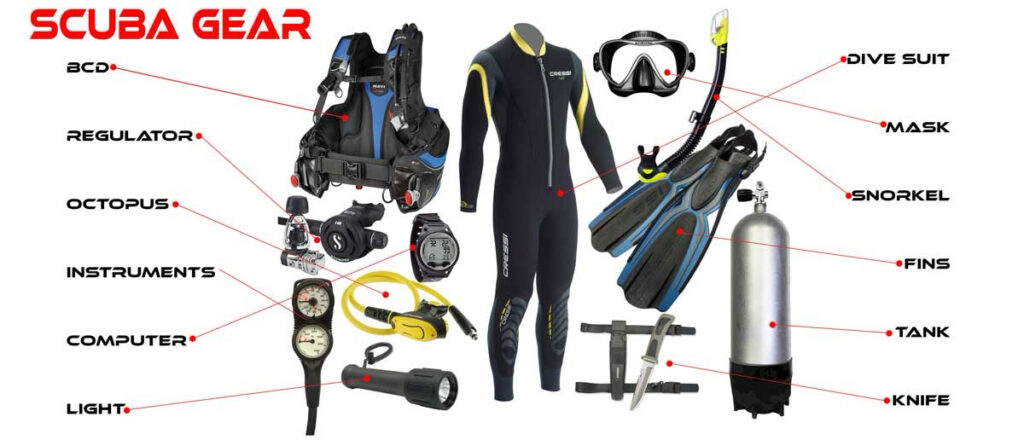
Deciding whether to buy your own dive gear or rent it at the destination is a question every diver faces sooner or later. I’ve seen brand-new divers wrestle with it, and I’ve seen experienced travelers still debate it before a big trip. The truth is, there’s no single right answer. Instead, the best choice depends on how you dive, where you dive, and what you value most: comfort, cost, or convenience.
Let’s break it down so you can make a confident decision for your next trip.
Buying your own gear often feels like a big step. However, for many divers, it’s also the moment when diving becomes more personal and more comfortable.
First of all, nothing beats gear that fits you properly. Masks seal differently on every face. Fins vary depending on leg strength and kicking style. Even small differences matter underwater. Because of that, owning your own mask, fins, and exposure protection usually improves comfort immediately.
Moreover, familiar gear reduces stress. You already know how your inflator works, where your clips are, and how everything feels in the water. As a result, you spend less mental energy on equipment and more on the dive itself.
When you dive with your own setup, every dive feels familiar. That consistency builds confidence, especially in challenging conditions. Additionally, if something feels off, you notice it right away. That’s harder to do with unfamiliar rental gear.
For divers who dive regularly, this consistency often leads to better buoyancy control and lower air consumption over time.
At first glance, buying gear looks expensive. However, over multiple trips, costs even out. Renting a full kit for a week can add up quickly. Therefore, if you dive several times a year, owning core gear often makes financial sense in the long run.
That said, buying gear isn’t always the best move.
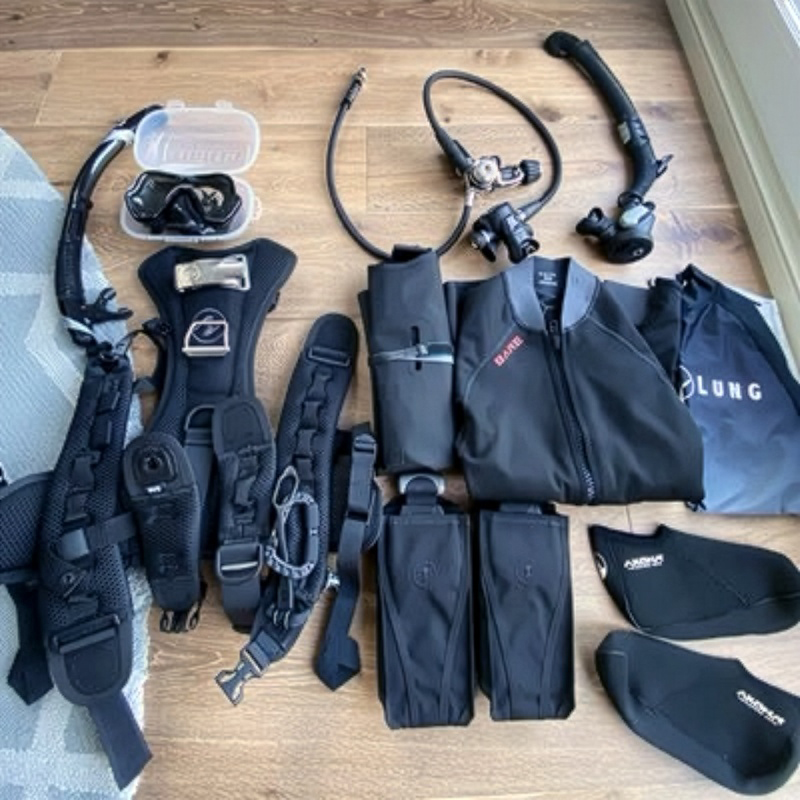
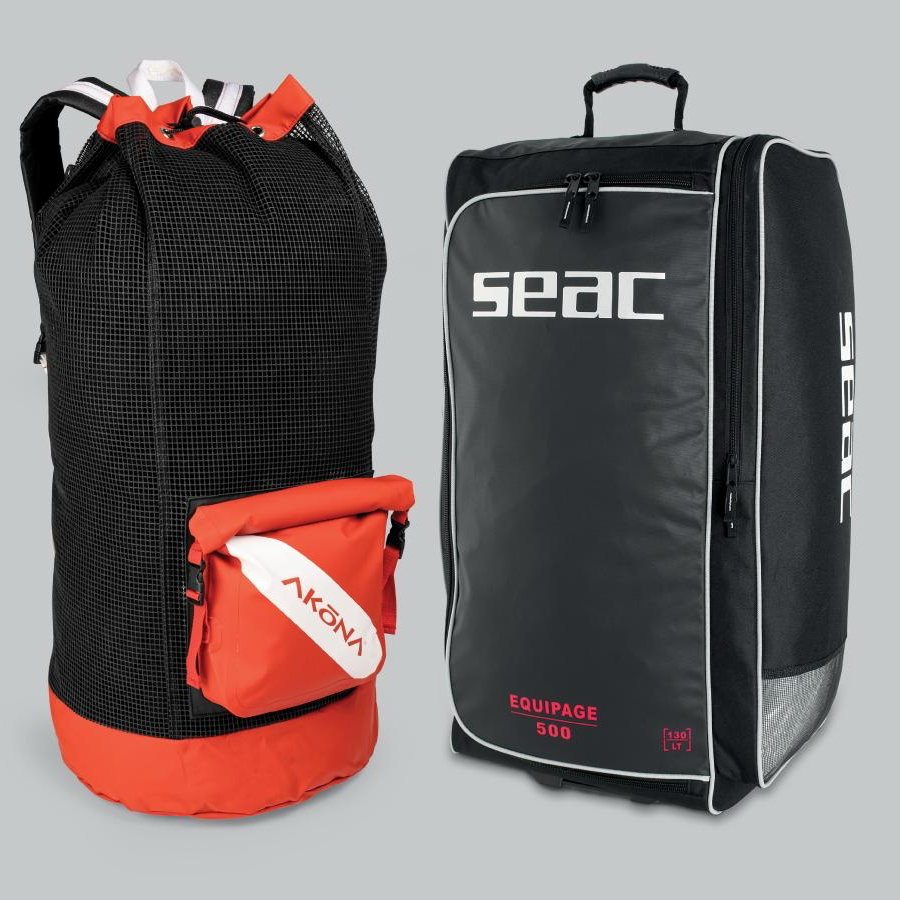
Dive gear is bulky and heavy. Regulators, BCDs, and wetsuits all take up space. Consequently, airline baggage limits and fees can become a real issue. This is especially true for long-haul or multi-country trips.
In addition, carrying gear through airports, boats, and transfers adds physical effort. For some divers, that alone makes renting more appealing.
Owning gear means maintaining it. Regulators need regular servicing. BCDs need inspection. Wetsuits need proper cleaning and storage. If you don’t dive often, this upkeep can feel like more work than it’s worth.
Renting gear is popular for a reason. It’s simple, flexible, and often stress-free.
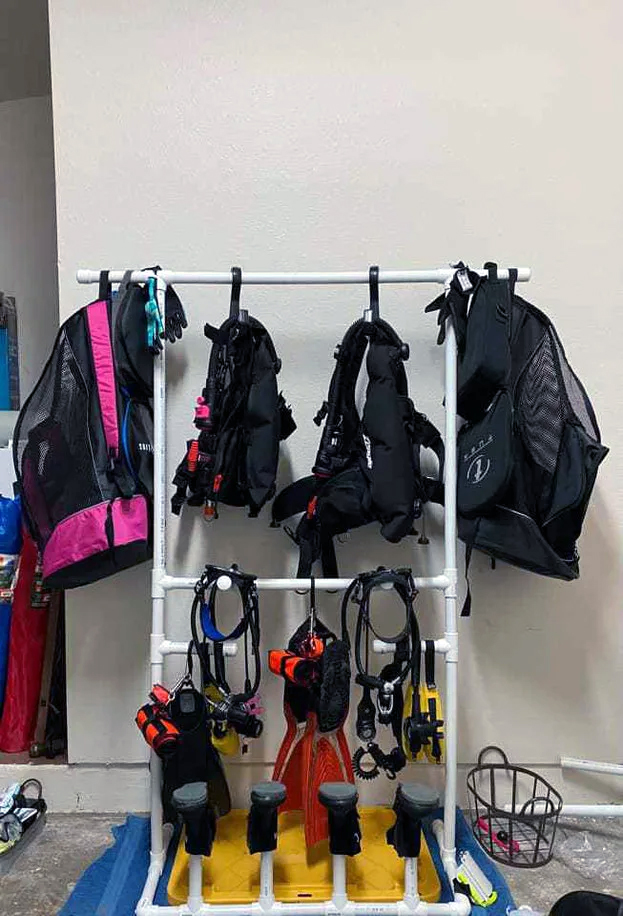
The biggest advantage is convenience. You travel lighter, move faster, and worry less about lost or delayed luggage. Especially on warm-water trips, arriving with just a mask and computer can feel liberating.
Furthermore, most dive destinations are well set up for rentals. You show up, get fitted, and dive. No servicing schedules. No hauling heavy bags.
If you dive once or twice a year, renting usually makes sense. Instead of investing in gear that sits unused most of the time, you pay only when you need it. As a result, costs stay predictable and low.
Renting is also smart when you’re still figuring out what you like. Trying different BCDs or fins before buying can save you from expensive mistakes later.
However, renting has its own trade-offs.
Rental gear sees a lot of use. While most dive centers maintain equipment well, fit can be hit or miss. Masks may leak. Fins may feel too soft or too stiff. Because of this, comfort isn’t guaranteed.
Additionally, rental wetsuits are often generic in size and thickness. If you get cold easily, this can shorten dives or reduce enjoyment.
Every rental setup feels slightly different. While that’s manageable for experienced divers, it can be distracting. Small differences in inflators, dump valves, or weight systems add mental load, especially on the first few dives.
For many divers, the best solution sits in the middle.
A common approach is to own personal-contact gear and rent the rest. This usually includes:
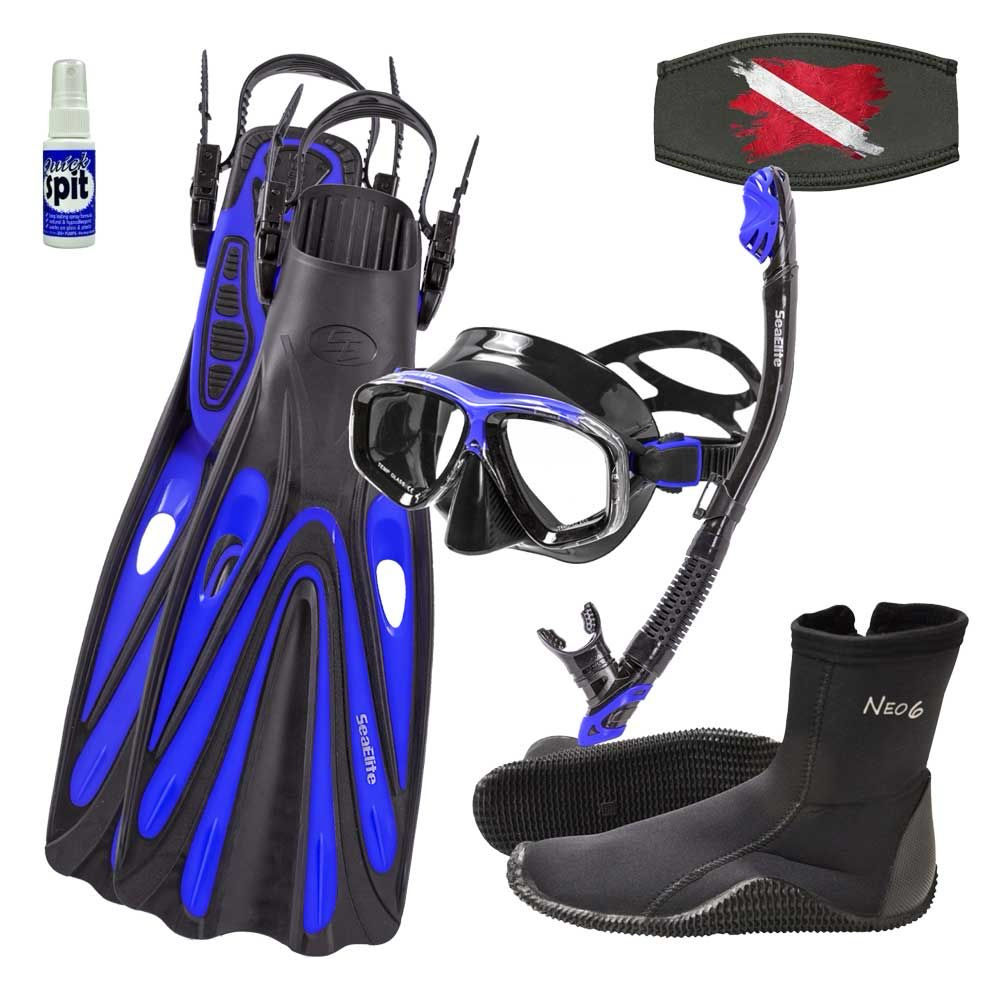
These items directly affect comfort and safety. Meanwhile, renting heavier items like BCDs and tanks keeps travel easy.
This hybrid setup offers familiarity where it matters most, without the hassle of transporting everything.
Before your next trip, ask yourself:
Your answers will usually point clearly in one direction.
Buying your own dive gear gives you comfort, consistency, and control. Renting gives you freedom, flexibility, and simplicity. Neither choice is wrong. What matters is matching the decision to your diving style and your travel plans.
In the end, the best setup is the one that lets you relax, enjoy the dive, and focus on the underwater world instead of your equipment.
