Jan 06, 2026
A wetsuit does not last forever. Even if it still looks fine hanging in your closet, time, water, and use slowly break it down. As a result, an old wetsuit can make you colder, slower, and less comfortable than you realize.
So, how do you know when it is time to move on? Below are three clear signs your wetsuit is too old, plus what each one means for your time in the water.
First and most importantly, warmth is the main job of a wetsuit. If you feel colder than you used to in the same conditions, that is a major red flag.
Over time, neoprene loses its ability to trap heat. Even though the suit may still fit, the tiny air pockets inside the material collapse. Because of this, cold water circulates more easily, and your body loses heat faster.
Additionally, small leaks often develop as seams age. While one tiny leak may not seem like much, together they can make a big difference. As a result, sessions feel shorter, and recovery takes longer.
If you find yourself shivering sooner than before, or cutting sessions short for warmth alone, your wetsuit is likely past its prime.
Next, pay attention to how the wetsuit feels when you put it on. A healthy wetsuit should feel flexible, slightly springy, and supportive.
However, as wetsuits age, the neoprene changes. In some areas, it becomes stiff and brittle. In others, it stretches out and stays that way. Because of this, you may notice baggy knees, loose shoulders, or a suit that no longer snaps back into shape.
At the same time, thinning neoprene reduces both warmth and buoyancy. Consequently, paddling can feel harder, and swimming efficiency can drop.
If your wetsuit feels more like a heavy layer than a performance tool, that change is not in your head. It is a sign the material is worn out.
Finally, look closely at the construction details. Even if the neoprene seems okay, the weak points often show up elsewhere first.
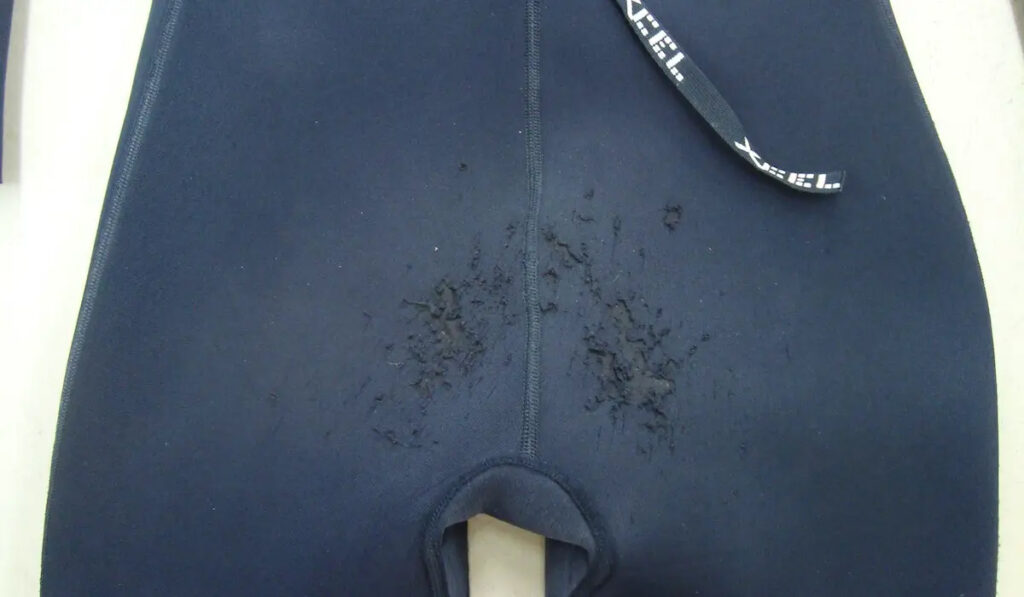
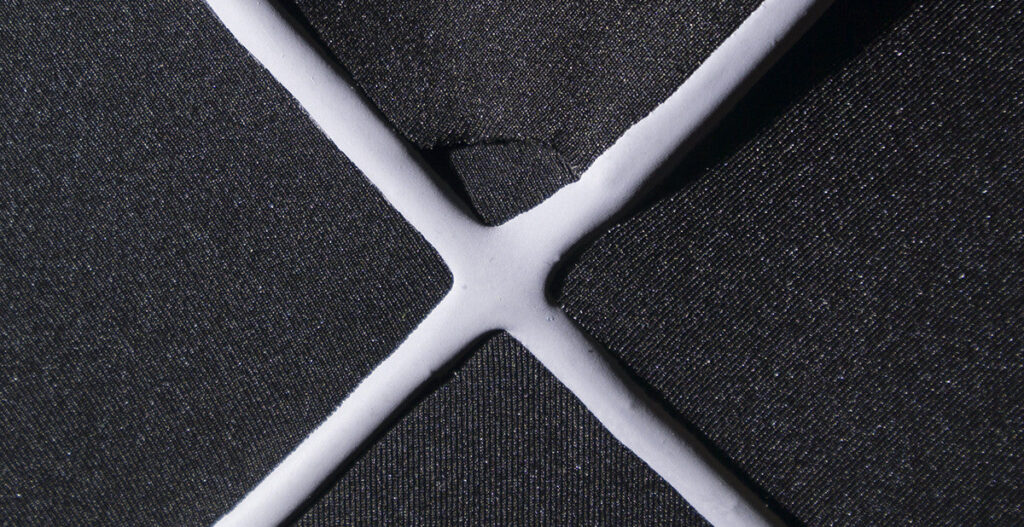
For example, seams may start peeling or splitting. Likewise, interior lining can fray or bunch up. Meanwhile, the outer fabric may fade, scuff, or develop smooth, shiny patches.
Individually, these issues may seem cosmetic. However, together they signal structural fatigue. As damage spreads, water flush increases, repairs stop holding, and the suit becomes less reliable.
Eventually, what was once a minor issue turns into a suit-ending failure. Therefore, catching this stage early can save you frustration and lost water time.
If you recognize one or more of these signs, it does not mean your wetsuit failed suddenly. Instead, it did exactly what it was designed to do over years of use.
In general, a regularly used wetsuit lasts about three to five years. That said, heavy use, poor storage, or frequent sun exposure can shorten that window. On the other hand, careful rinsing and proper drying can help extend it.
Ultimately, if your wetsuit no longer keeps you warm, fits poorly, or shows clear wear, replacing it is an upgrade to comfort and safety, not just gear.
A newer wetsuit means longer sessions, better movement, and fewer distractions in the water. And in the end, that is what keeps you enjoying every wave, dive, or swim.
